
• Home
  • Coptic Church
    • Holy Bible
      • Old Testament
      • New Testament
      • Stories for Kids
      • Historical Jesus
    • Coptic History
    • Holy Family
    • Coptic Popes
    • Papal Residence
    • Coptic Hymns & Music
    • Coptic Monasticism
    • Kiraza Magazine
    • LOGOS Coptic Youth Forum
    • LOGOS Leadership Program
    • LOGOS Junior Forum
    • Coptic Tours 360°
    • Coptic Language
    • Church Evangelism
    • Church Books
    • Saints Stories
    • Coptic Museum
    • Coptic Gallery
  • Pope Tawadros II
    • Biography
    • Papal Messages
    • Friendship Day Messages
    • Pope’s Books
    • Kiraza Editorial Articles
    • Internal Visits
    • Visits Abroad
    • Bible Study
    • Wednesday’s Sermons
    • TV Interviews
    • Speeches
    • Pope’s Video
    • FAQ
  • Holy Synod
    • Pope Tawadros II
    • Holy Synod Members
    • Committees Structure
      • Standing Committee
      • Secretarial Committee
      • Pastoral Care & Service Committee
      • Rites Committee
      • Faith & Teaching Committee
      • Family Committee
      • Media & Information Committee
      • Public Relations Committee
      • Ecumenical Relations Committee
      • Monasticism & Monasteries Committee
      • Coptic Diaspora’s Affairs Committee
      • Diocesan Affairs Committee
    • Holy Synod Regulations
    • Holy Synod Decrees
    • Papal Decrees
    • Holy Synod Seminars
    • Ecumenical Relations
      • The Ecumenical Councils
      • The Ecclesiastical Families
      • Relations with the Oriental Orthodox Churches
      • Relations with the Byzantine Orthodox Churches
      • Relations with the Catholic Church
        • 50 Years of Brotherly Love (1973-2023)
      • Relations with the Evangelical Churches
      • Relations with the Anglican Church
      • Relations with the Assyrian Church
      • Church Councils
      • Ecumenical Work of the Church Patriarchs
    • Deceased Bishops
  • Monasteries & Dioceses
    • Ancient Monasteries/Convents
    • Modern Monasteries/Convents
    • Monasteries/Convents Abroad
    • Egypt Dioceses
    • Dioceses Abroad
    • LOGOS Papal Center
    • Spiritual Centers
      • Patmos
      • Anafora
  • Entities
    • General Bishoprics
      • Bishopric of Public, Ecumenical & Social Services
      • Youth Bishopric
    • Educational Entities
      • Central Papal Library
      • St. Mark Coptic Academy “S.M.C.A”
      • Papal Manuscript Center
      • Coptic Studies Institute
      • Coptic Clerical & Theological College
      • Coptic Institute for Church Administration & Development
      • Pastoral Care and Education Institute
      • Coptic Orthodox Cultural Center
      • St. Mark Foundation for Coptic Heritage
      • Holy Sophia University
      • St. Paul Institute for Ministry Studies
      • St. Pantinous for Professors Assembly
    • Social Entities
      • Coptic Orthodox Endowments Authority
      • Coptic Orthodox General Religious Council
      • Papal General Court
      • Saint Rewis Theater
    • Development Entities
      • Bishopric of Public, Ecumenical & Social Services
      • Social Care Committee
      • Papal Office for Projects
      • HIGH Office
    • Media Entities
      • Kiraza Magazine
      • Coptic Media Center
      • Coptic Website
      • COC
      • Aghapy TV
      • CTV
      • ME Sat
      • CYC
      • Koogi TV
    • Health Entities
      • Ragaa Center
  • News
    • Official Meetings
    • Pastoral Meetings
    • Church Occasions
    • Papal Messages
    • Friendship Day Messages
    • Wednesday’s Sermons
    • TV Interviews
    • Speeches
    • Communications
  • English
    • العربية
  • Home
  • Coptic Church
    • Holy Bible
      • Old Testament
      • New Testament
      • Stories for Kids
      • Historical Jesus
    • Coptic History
    • Holy Family
    • Coptic Popes
    • Papal Residence
    • Coptic Hymns & Music
    • Coptic Monasticism
    • Kiraza Magazine
    • LOGOS Coptic Youth Forum
    • LOGOS Leadership Program
    • LOGOS Junior Forum
    • Coptic Tours 360°
    • Coptic Language
    • Church Evangelism
    • Church Books
    • Saints Stories
    • Coptic Museum
    • Coptic Gallery
  • Pope Tawadros II
    • Biography
    • Papal Messages
    • Friendship Day Messages
    • Pope’s Books
    • Kiraza Editorial Articles
    • Internal Visits
    • Visits Abroad
    • Bible Study
    • Wednesday’s Sermons
    • TV Interviews
    • Speeches
    • Pope’s Video
    • FAQ
  • Holy Synod
    • Pope Tawadros II
    • Holy Synod Members
    • Committees Structure
      • Standing Committee
      • Secretarial Committee
      • Pastoral Care & Service Committee
      • Rites Committee
      • Faith & Teaching Committee
      • Family Committee
      • Media & Information Committee
      • Public Relations Committee
      • Ecumenical Relations Committee
      • Monasticism & Monasteries Committee
      • Coptic Diaspora’s Affairs Committee
      • Diocesan Affairs Committee
    • Holy Synod Regulations
    • Holy Synod Decrees
    • Papal Decrees
    • Holy Synod Seminars
    • Ecumenical Relations
      • The Ecumenical Councils
      • The Ecclesiastical Families
      • Relations with the Oriental Orthodox Churches
      • Relations with the Byzantine Orthodox Churches
      • Relations with the Catholic Church
        • 50 Years of Brotherly Love (1973-2023)
      • Relations with the Evangelical Churches
      • Relations with the Anglican Church
      • Relations with the Assyrian Church
      • Church Councils
      • Ecumenical Work of the Church Patriarchs
    • Deceased Bishops
  • Monasteries & Dioceses
    • Ancient Monasteries/Convents
    • Modern Monasteries/Convents
    • Monasteries/Convents Abroad
    • Egypt Dioceses
    • Dioceses Abroad
    • LOGOS Papal Center
    • Spiritual Centers
      • Patmos
      • Anafora
  • Entities
    • General Bishoprics
      • Bishopric of Public, Ecumenical & Social Services
      • Youth Bishopric
    • Educational Entities
      • Central Papal Library
      • St. Mark Coptic Academy “S.M.C.A”
      • Papal Manuscript Center
      • Coptic Studies Institute
      • Coptic Clerical & Theological College
      • Coptic Institute for Church Administration & Development
      • Pastoral Care and Education Institute
      • Coptic Orthodox Cultural Center
      • St. Mark Foundation for Coptic Heritage
      • Holy Sophia University
      • St. Paul Institute for Ministry Studies
      • St. Pantinous for Professors Assembly
    • Social Entities
      • Coptic Orthodox Endowments Authority
      • Coptic Orthodox General Religious Council
      • Papal General Court
      • Saint Rewis Theater
    • Development Entities
      • Bishopric of Public, Ecumenical & Social Services
      • Social Care Committee
      • Papal Office for Projects
      • HIGH Office
    • Media Entities
      • Kiraza Magazine
      • Coptic Media Center
      • Coptic Website
      • COC
      • Aghapy TV
      • CTV
      • ME Sat
      • CYC
      • Koogi TV
    • Health Entities
      • Ragaa Center
  • News
    • Official Meetings
    • Pastoral Meetings
    • Church Occasions
    • Papal Messages
    • Friendship Day Messages
    • Wednesday’s Sermons
    • TV Interviews
    • Speeches
    • Communications
  • English
    • العربية
Facebook-f Instagram Youtube X-twitter Threads Soundcloud Bullseye
  • Home
  • >
  • Kiraza Articles
  • >
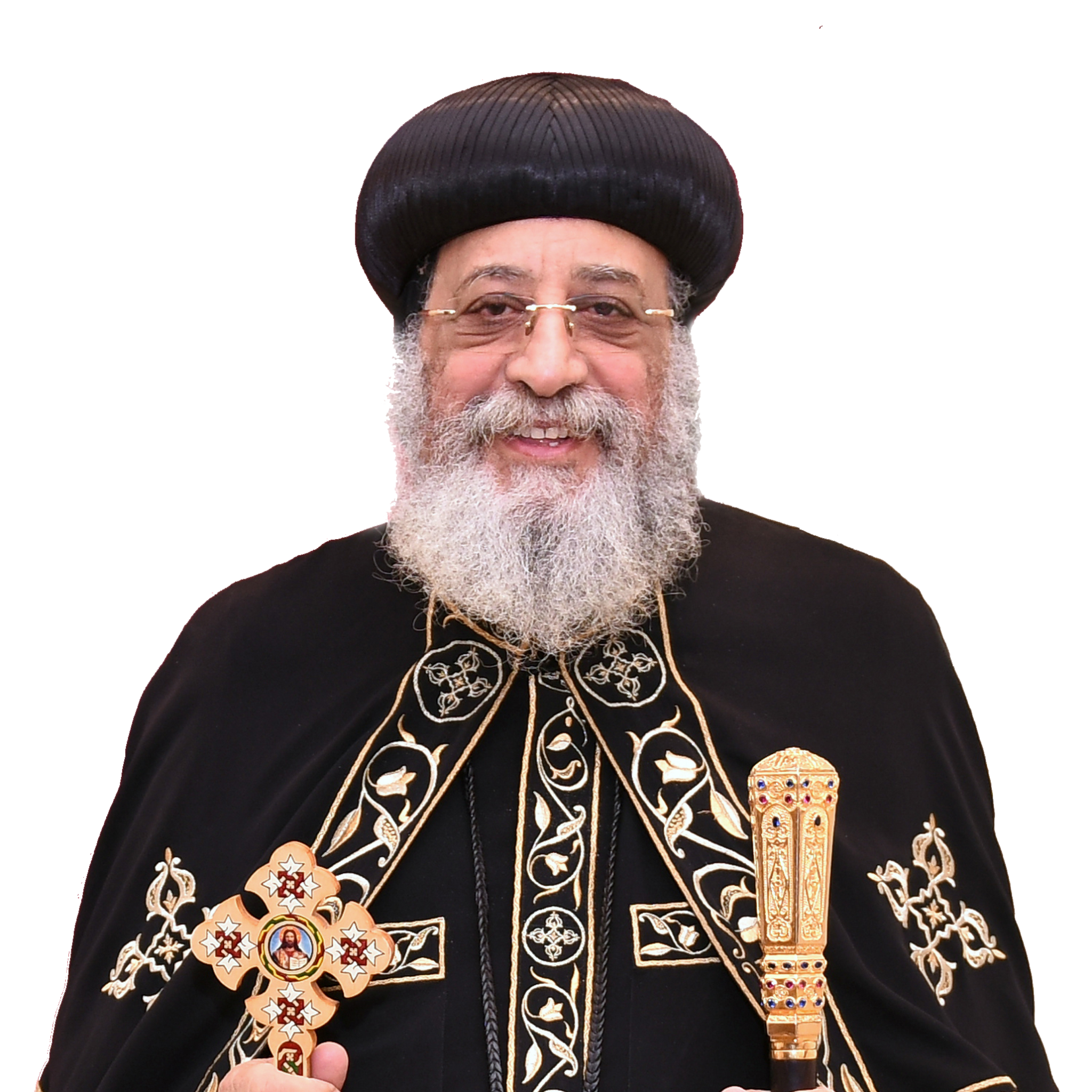
  • Editorial Article by H.H. Pope Tawadros II in Kiraza Magazine: The Greatest Gift

Editorial Article by H.H. Pope Tawadros II in Kiraza Magazine: The Greatest Gift

August 30, 2024
Keraza 30-8-24 Final_Page_3

Although love is the noblest and greatest of all human emotions, sociologists describe only five languages of love, including receiving gifts, quality time, words of affirmation, etc.

If we look for the most precious gift one person can give to another, it would necessarily be:

“time.”

They say that a person needs three things that begin with the letter T in English:

 Talk,

Time,

and Touch (a gentle touch).

Time is like a vessel that we fill with genuine words, sincere emotions, and meaningful actions.

I read a story about a wealthy businessman who wanted to give his wife a gift for their 20th wedding anniversary. He bought her an expensive ring worth a million dollars and presented it to her, confident she would be thrilled. But to his surprise, she took the ring and set it aside, showing no joy at all. The husband became upset and went to complain to the priest, who wanted to understand her reason for behaving this way. She replied, “I want him—my husband—instead of the ring because he is so busy and does not give me any time to share or be with him, as if he is married to his work, which takes all his time, depriving his wife of even a few minutes.”

The gift of time is priceless and cannot be replaced with anything else. Remarkably, God gives each person 24 hours a day, equally among all people, everywhere. The question facing each person is how to utilize these 24 hours each day and how to spend them, positively or negatively. What do you give from your time to your family: your wife or husband, your son or daughter? What do you give from it to your loved ones in your life and community?

First: Focus on one thing at a time, for example, if you want to express your love to your son, spend enough time with him without being distracted by anything else, no matter what it is. This way, your message of love reaches him clearly and fully, as you give him your time, life, thoughts, and feelings in a very sincere manner.

Second: Eliminate unimportant things that consume your time or, more accurately, steal minutes and hours from your precious time without necessity or benefit, such as excessive and long phone calls, spending hours browsing social media without looking for something specific, or wasting time sleeping out of laziness and lethargy, etc.

Third: It is helpful to decide each night what you will do the next day, meaning writing a list of all the tasks you want to accomplish that day. Avoid considering routine tasks that you do every day because they are repetitive, and there is no need to remind yourself of them. This is called planning, which should not take much of your time. And of course, avoid procrastination, which doubles the burden of matters and tasks you must complete.

Fourth: balance allocating your time, Your work or service may require a long time, but your family and each member of it need special time. Do not neglect this balance, which is your first responsibility to feel the warmth of family life and the joy of raising your children and sharing with them the stages of their growth and their aspirations for life in all its dimensions. If you give something or someone your time, you will see its results to the extent you have given previously. Most family problems stem from not spending enough time with them, whether in worship and speaking with God and making sacred times for prayer, the Bible, and service, or being together and sharing together among family members. The constant and extensive busyness every day within the family has become a cause of disintegration, the collapse of family ties, and the departure from the family principles and values in which humanity has lived for generations.

Fifth: It is fitting to change your way of spending time and realize how precious and great it is, especially when you give it to those who deserve it as a precious gift that cannot be valued with money or replaced. Some tasks in your daily life are important and urgent, but some are also important but not urgent. Conversely, there are tasks that are neither urgent nor important and are a cause of wasted time and lost effort, so try to pay attention to them and eliminate them.

Sixth: Use the compensation method. Some workdays or services are heavy and full of much work or many services, while other days are lighter or limited in what they require of time. Try to compensate for your busyness on certain days with other opportunities to make up for your shortcomings in your responsibilities toward your family, personal life, spiritual canon, and spiritual and emotional fulfillment along with social and physical satisfaction. Learn from past mistakes, ignore any obstacles, and let your motto be, “Let all things be done decently and in order” (1 Corinthians 14:40, NKJV).

Personally, I try to organize my time amid all my many responsibilities by dividing the day into two halves: the first from 11 am to 11 pm with people in meetings, visits, and various services, and the second half from 11 pm to 11 am with God in prayers, readings, preparation, thinking, writing, and calm. In other words, the first half is general time, and the second half is private time. I always feel that my schedule with people is a gift of time to them and an expression of the love my heart holds for them. I feel immense happiness, especially when I sit with the young, converse with them, tell them stories, and learn from them and their innocence.

The gift of time is a very precious gift,

so much so that Saint Paul the Apostle expresses it:

“See then that you walk circumspectly, not as fools but as wise, redeeming the time, because the days are evil”

(Ephesians 5:15-16).

By this, he means that

using time properly

is a form of wisdom,

whereas wasting time

is utter foolishness.

This page is also available in: العربية

Keraza 30-8-24 Final_Page_2
Keraza 30-8-24 Final_Page_3

Latest News

H.H. Pope Tawadros II Receives a Group of Youth from Our Churches in the UAE

H.H. Pope Tawadros II Receives a Group of Youth from...

H.H. Pope Tawadros II Meets with the Priests of the South Shubra Churches Sector

H.H. Pope Tawadros II Meets with the Priests of the...

“Spiritual Laws for Life” Series (18): “The Law of Time Management” at the Wednesday Meeting

“Spiritual Laws for Life” Series (18): “The Law of Time...

  • Home
  • Coptic Church
  • Holy Synod
  • Monasteries & Dioceses
  • Entities
  • News
  • Pope Tawadros II
  • Home
  • Coptic Church
  • Holy Synod
  • Monasteries & Dioceses
  • Entities
  • News
  • Pope Tawadros II
Facebook-f Instagram Youtube X-twitter Threads Soundcloud Bullseye